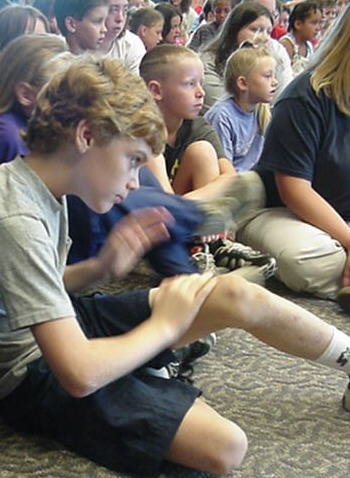
There is just no way to sit still during a hands-on with Zig interactive program. Tullahoma Parks & Recreation
Zig’s program was packed with knowledge with practical ideas that can be used immediately. MTGMEA
Zig's success is cutting edge teaching that is making a world-of-difference, and his teaching approach is a difference maker. J. Kuzmich
|
Cultural Arts Programs, School Assemblies Classroom Workshops At-Risk Youth Enrichment/Outreach Programs Summer Programs, Special Needs Programs |

To listen to samples of music featured in Zig's programs click here: Zig's Music Samples
To watch short videos of Hands On with Zig programs click here: Zig's YouTube Channel
Zig’s Musical Journey with Cross-Curricular Connections
(In-School Assembly, Theatre Performance) <-MOST REQUESTED PROGRAM
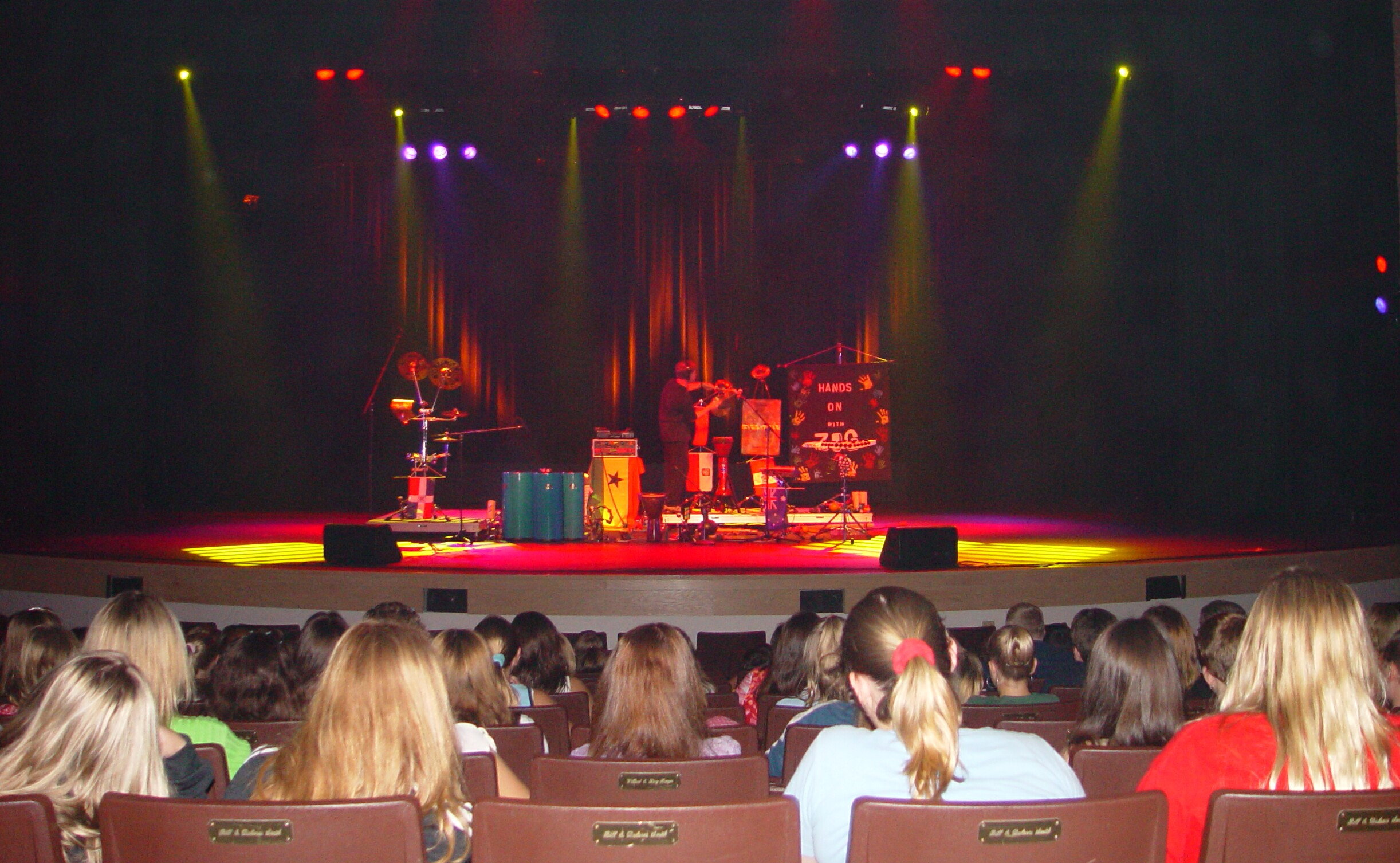
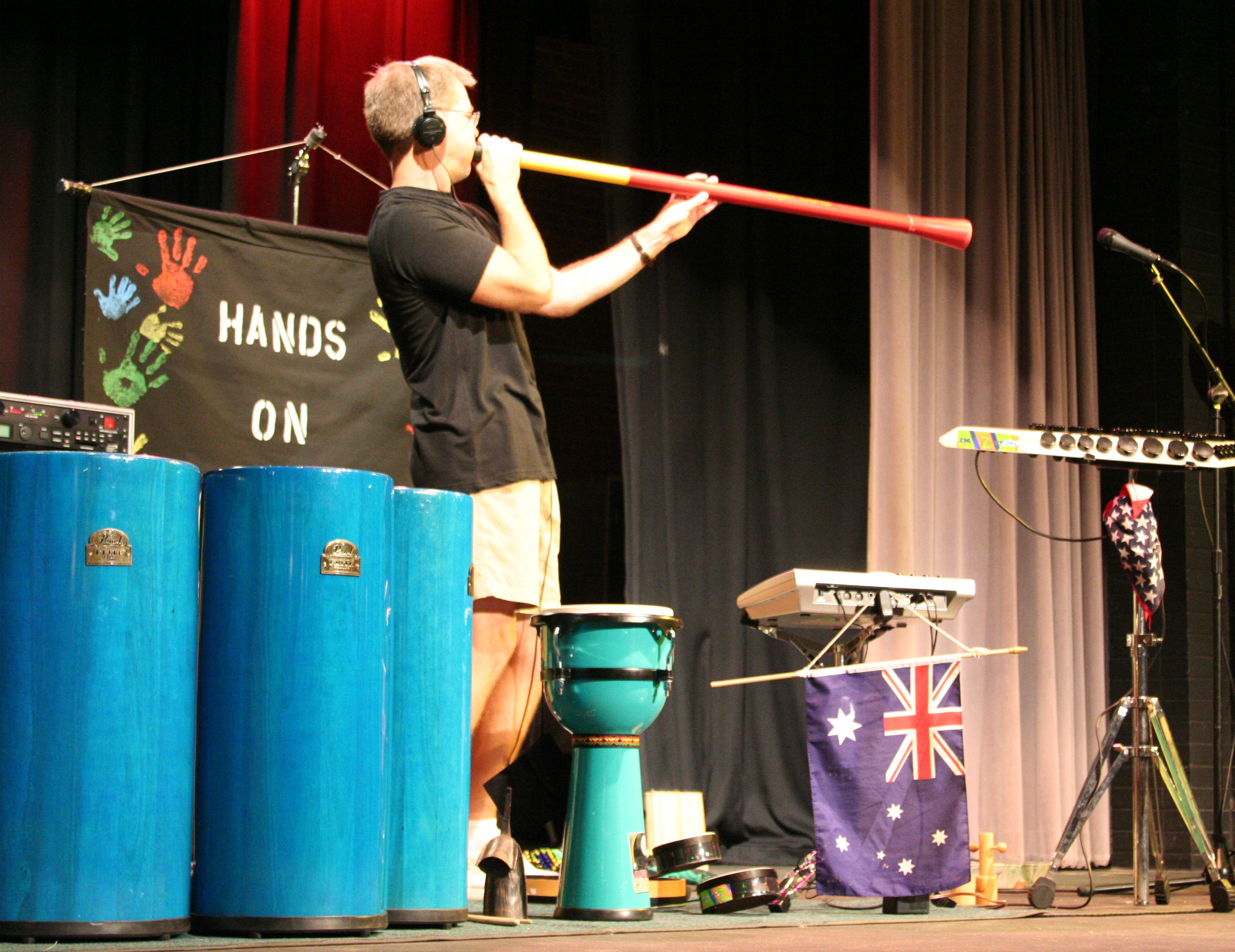
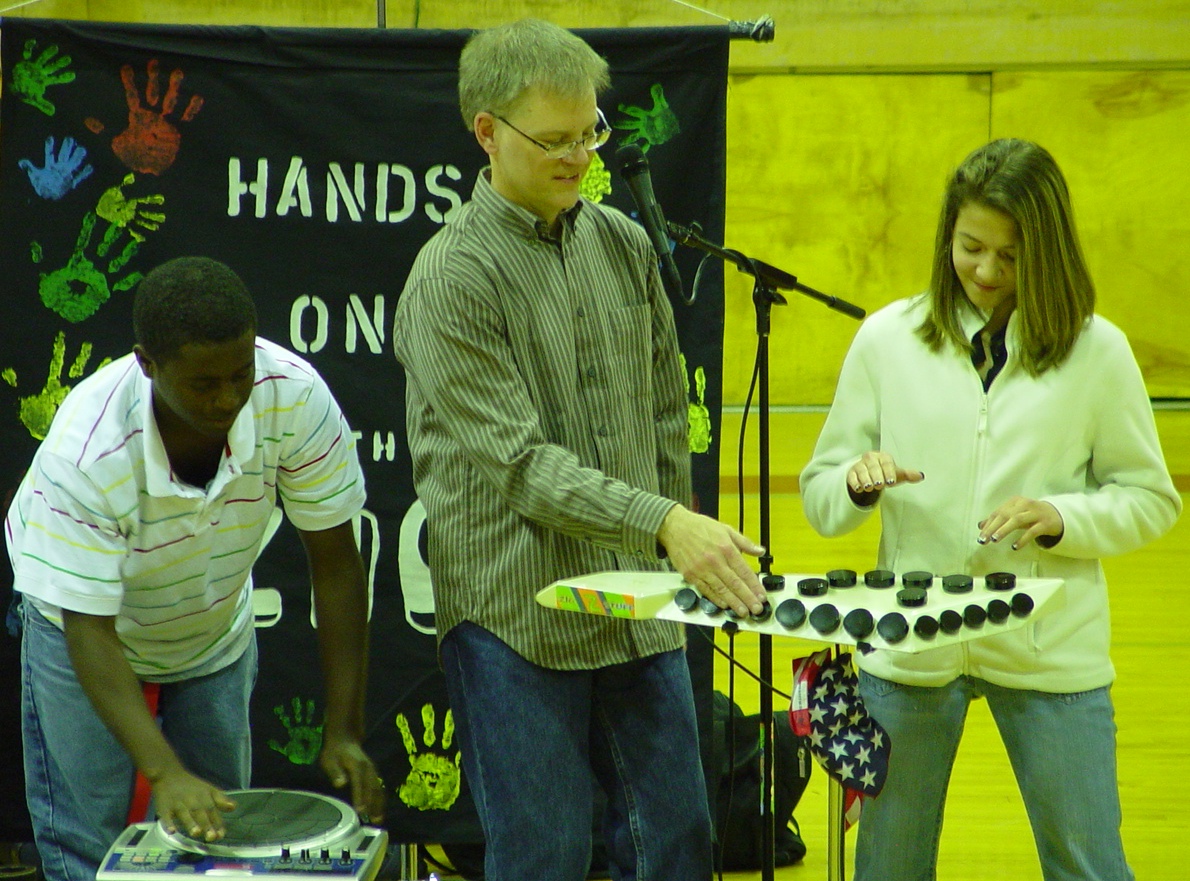
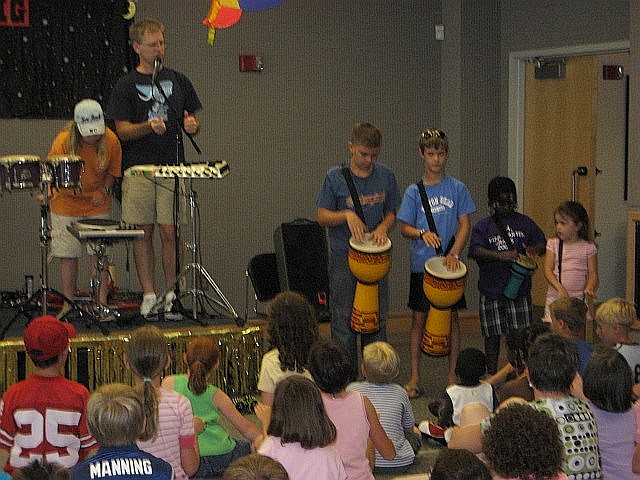
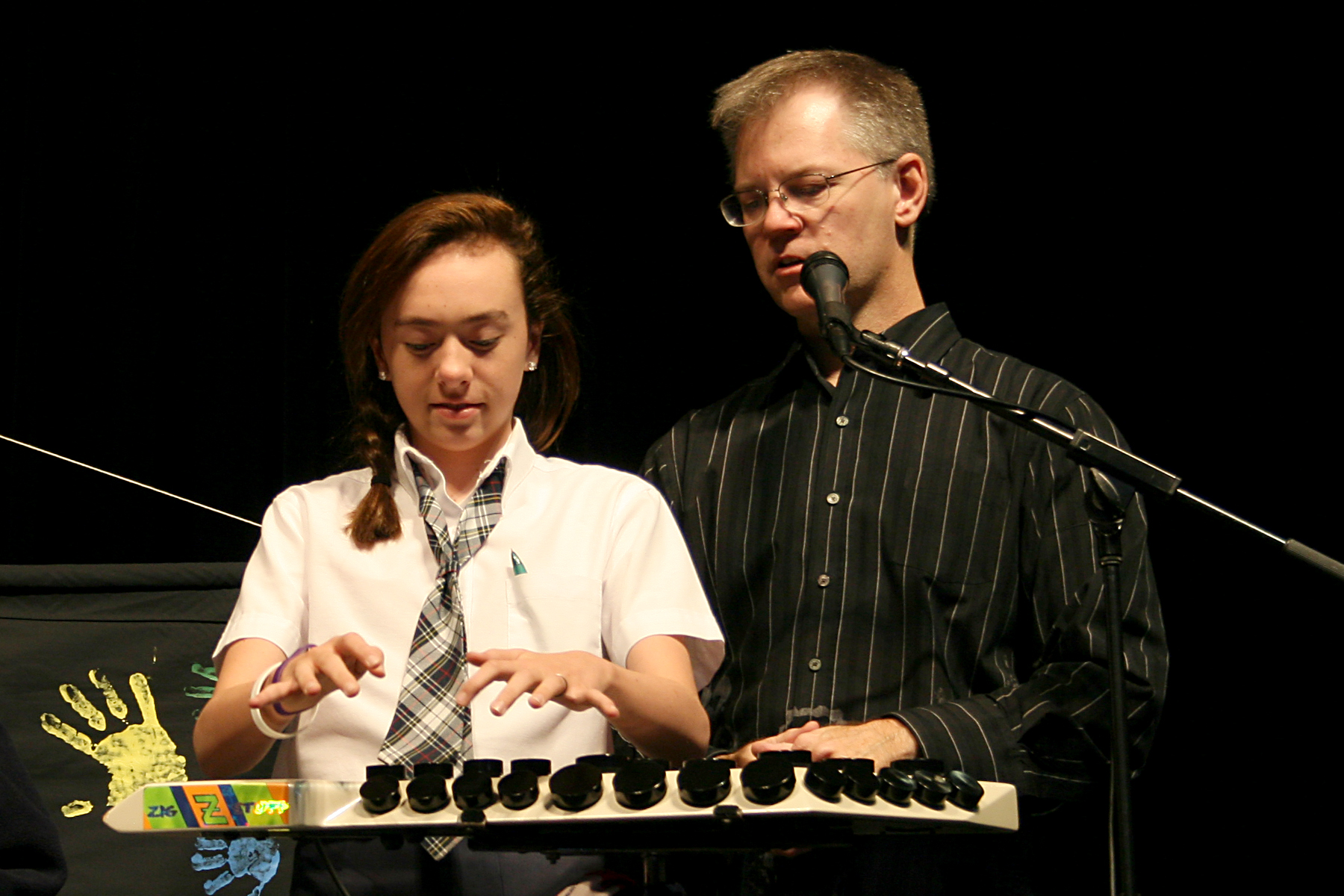
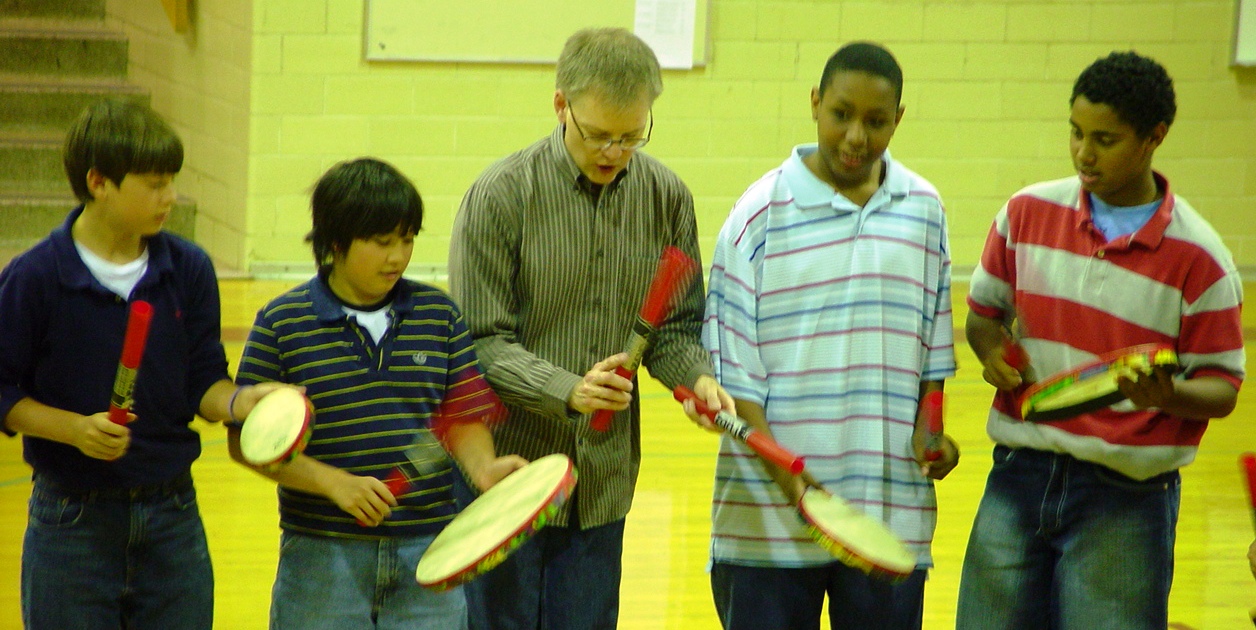
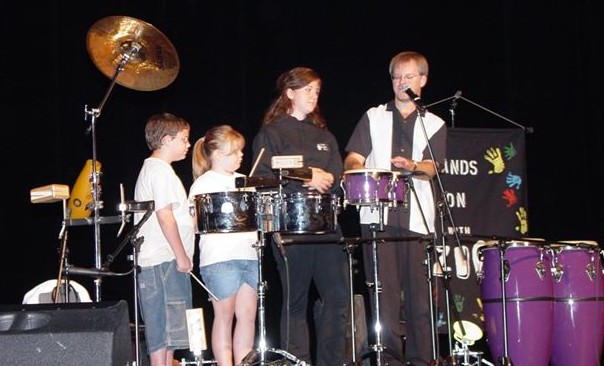
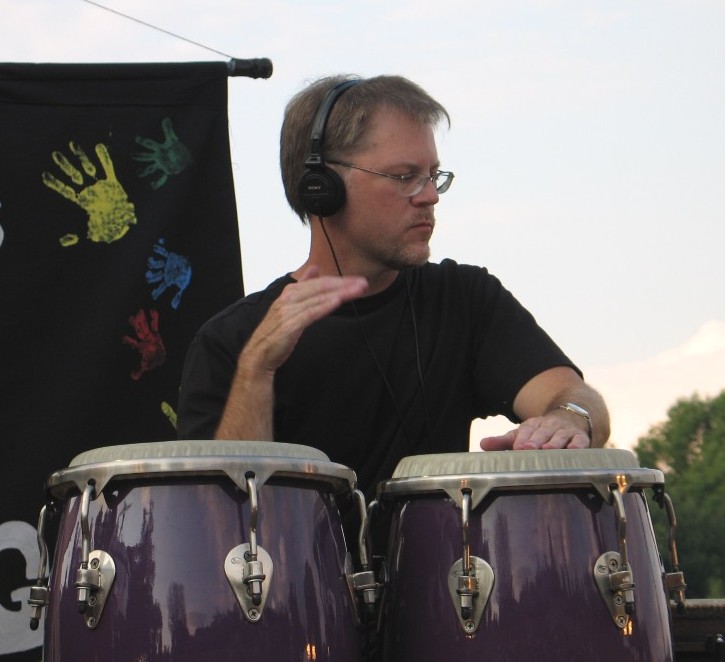
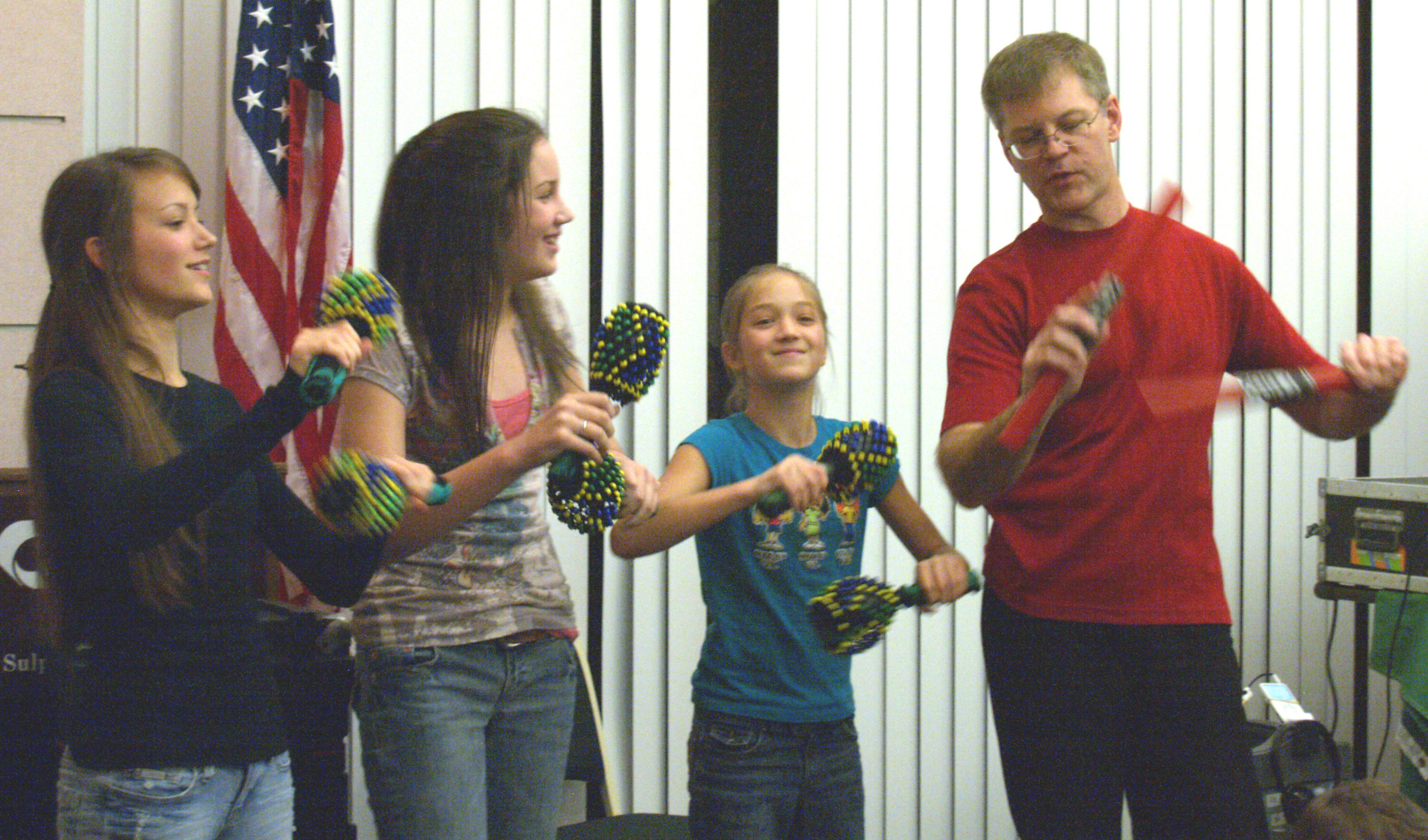
A highly interactive cross curricular and multicultural music experience featuring a battery of world percussion introducing rhythms, sounds, and song-styles from around the world with traditional and contemporary instruments, folk songs and original compositions. Audience members participate through active dialogue and hands on interaction including basic rhythm patterns, instruments names, chants, and form a world music ensemble. Cross curricular connections include social studies, math, language arts, and science with historical and cultural content. The program features world musical styles including; African, Native American, Latin, Hip-Hop, Jazz, US & World Folk, and Caribbean among others. As an extension of the classroom, students will make a connection how textbook learning relates to music and their daily lives. Grade appropriate content. (recommended for grades K-12). For pre-and post studies, lesson plans, and play-along music we recommend Zig's book with CD, World Beat Fun (Alfred Pub.).
Interactive Math by the Numbers: A Cultural Arts Approach
(In-School Assembly, Theatre performance, Classroom workshops) <-MOST REQUESTED PROGRAM
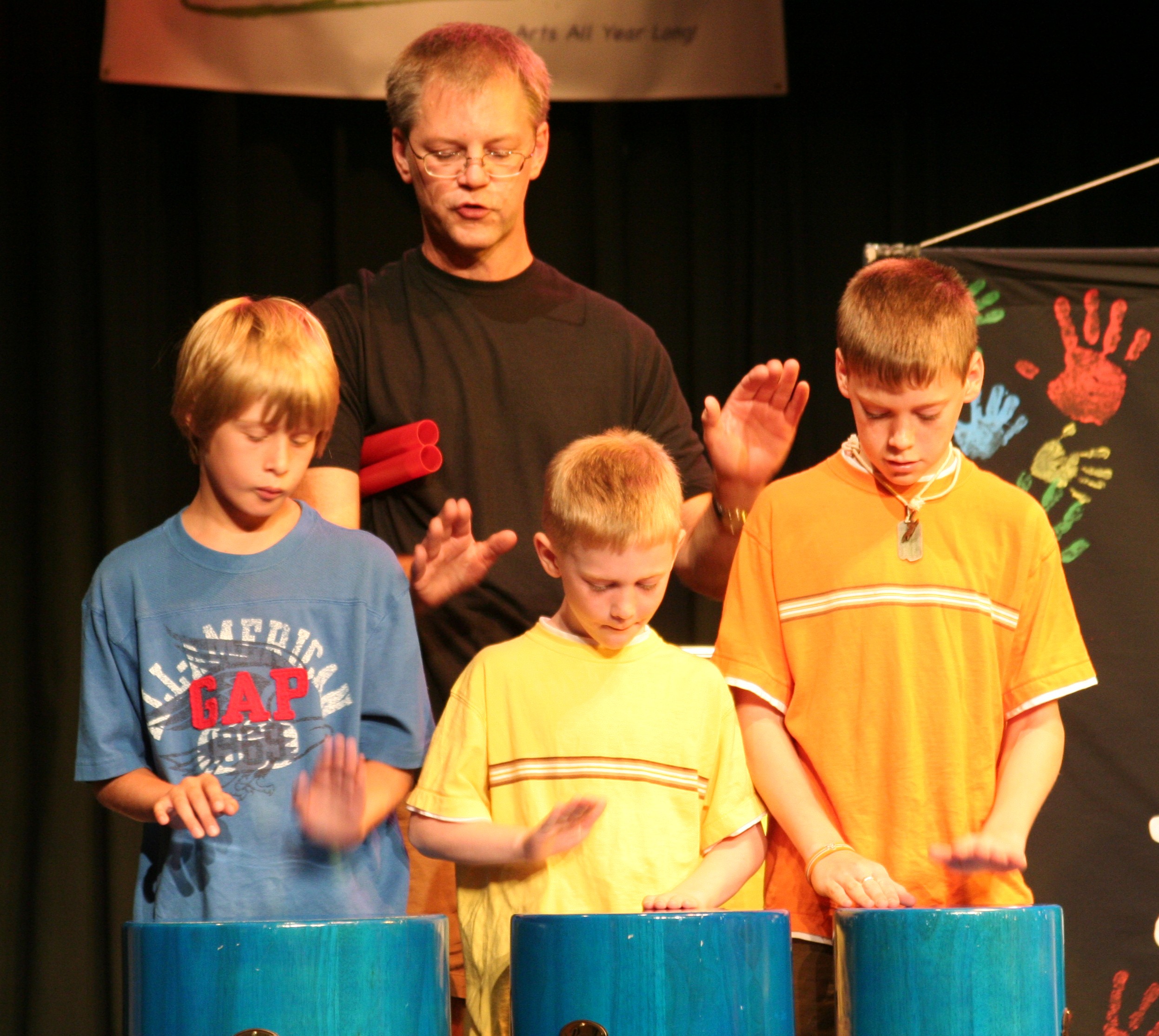
Hands-on learning, utilizing basic classroom math skills and creative reasoning, to equip students to explore, apply, resolve, and participate in fun, productive activities built around listening, dialogue, and student interaction. Zig explains the ‘how’, then performs on his large world/contemporary percussion setup as an example of using math and music. The emphasis is on active participation, in which students use math language and concepts to play a battery of percussion instruments in small and large groups, synthesizing their learned math skills to a cultural arts context. Reinforced math skills (based on grade level) include, but are not limited to: numbers, counting, math operations (adding, subtracting, multiplying, dividing), shapes, odds vs. evens, time, patterns, estimating, reasoning, fractions, measurements, analyzing, angles, graph points, symmetry, measurements, and more. As an extension of the classroom, students will make a connection between textbook math and everyday real-world situations. Content based on grade appropriate math skills (recommended for grades K-2, and 3-5).
Rhythm of Respect, Responsibility, and Character-Anti-Bullying Message through Music Performance
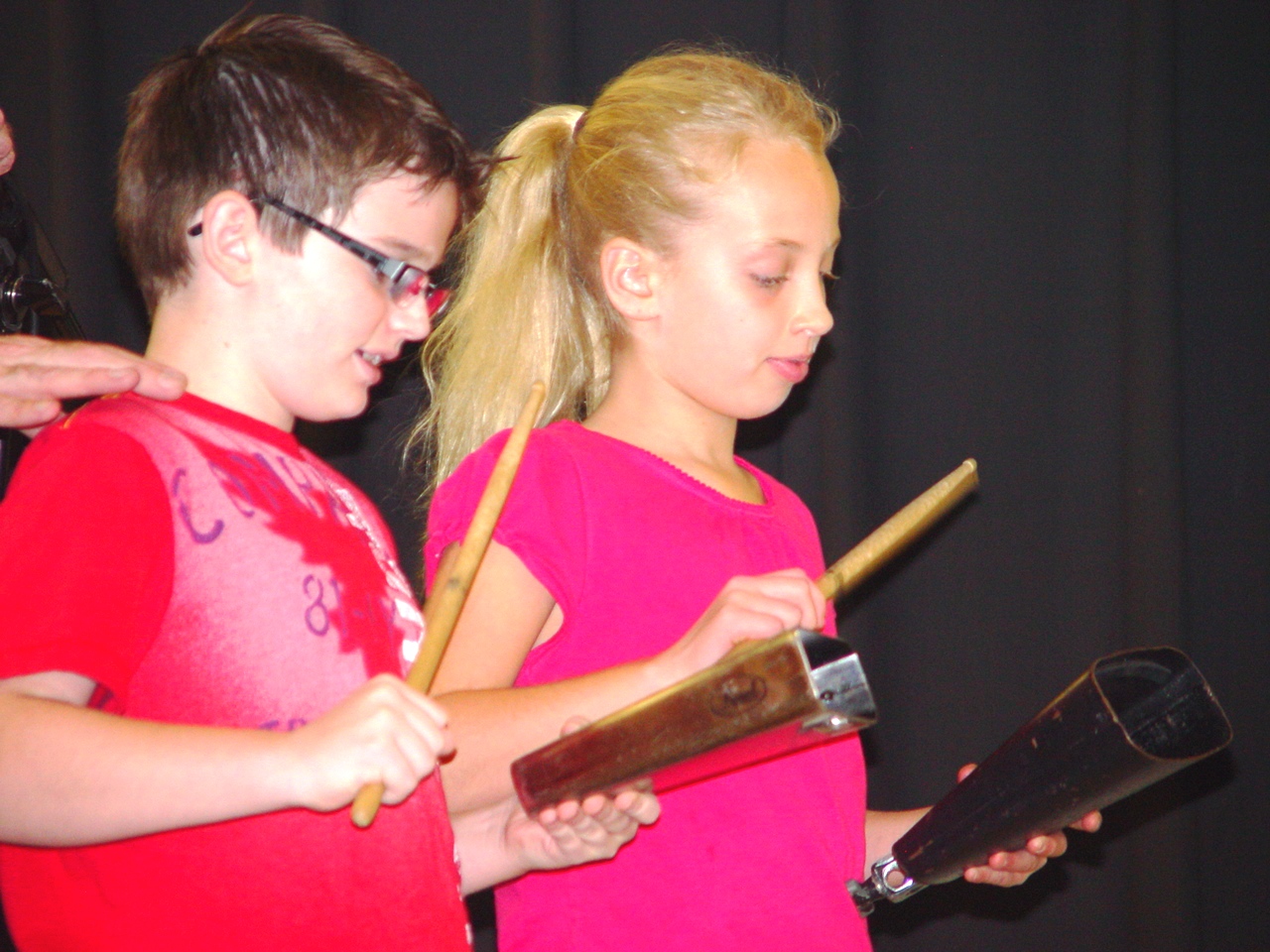
(In-School Assembly) <-October is National Anti-Bully Awareness MonthZig promotes positive behavior and change through dialogue (real world experiences), listening, music, and student participation. Zig performs, introducing a variety of musical styles from various cultures (from traditional to contemporary), with focus on using respect and moral excellence to break through cultural and socio-economic barriers. Students are provided and empowered with opportunities to reinforce positive change through active participation. This is accomplished by the students volunteering to play percussion instruments and “owning it/taking responsibility” onstage alongside Zig. Communication, listening, word choice, ownership, empathy, value, honor, actions/feelings, and “doing the right thing” are emphasized throughout the program by building student teams to complete an onstage musical ensemble. This ensemble is created, utilizing an active dialogue with the audience. Students will make connections with how “doing the right thing” can positively impact their lives by making good choices about what they socially see and hear on a daily basis.
STEAM Drumming - Rhythms, Sounds, and Instruments of Recycled/Re-Purposed Materials
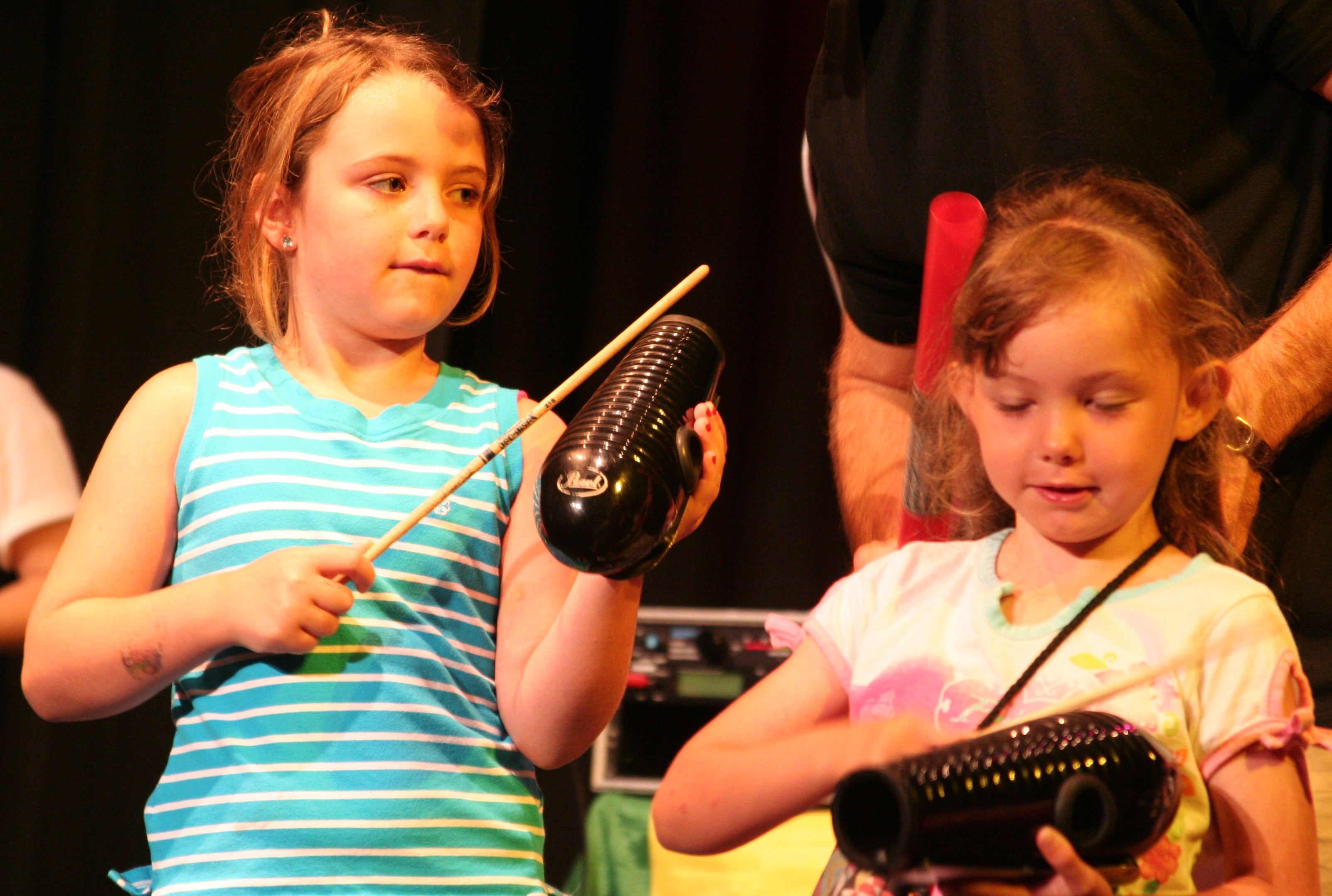
(In-School Assembly, Theatre Performance, Classroom workshops) <<<-NEW for 2016-17Students will see and hear Zig play a mix of cutting edge original contemporary music, world beat rhythmic styles, and the sounds of nature (environment). Custom designed re-purposed percussion/melodic instruments made from various recycled materials are the center of Zig's engineered percussion battery. Instruments include metallic thunder sheets, fireant bottle rattles, weight by the ounce/gram shakers, bamboo wind chimes, tubular pipe chimes, ocean bead drums, slinky cymbals, and melodic bucket drums among others. Students will interact on various repurposed instruments playing math formulated rhythm using tempos based on sounds of the environment and everyday life. An onstage engineering project will have students interacting by constructing and discovering the numerous possibilities of sound, math, music, and science on Zig's PVC Sliding Drumbone.
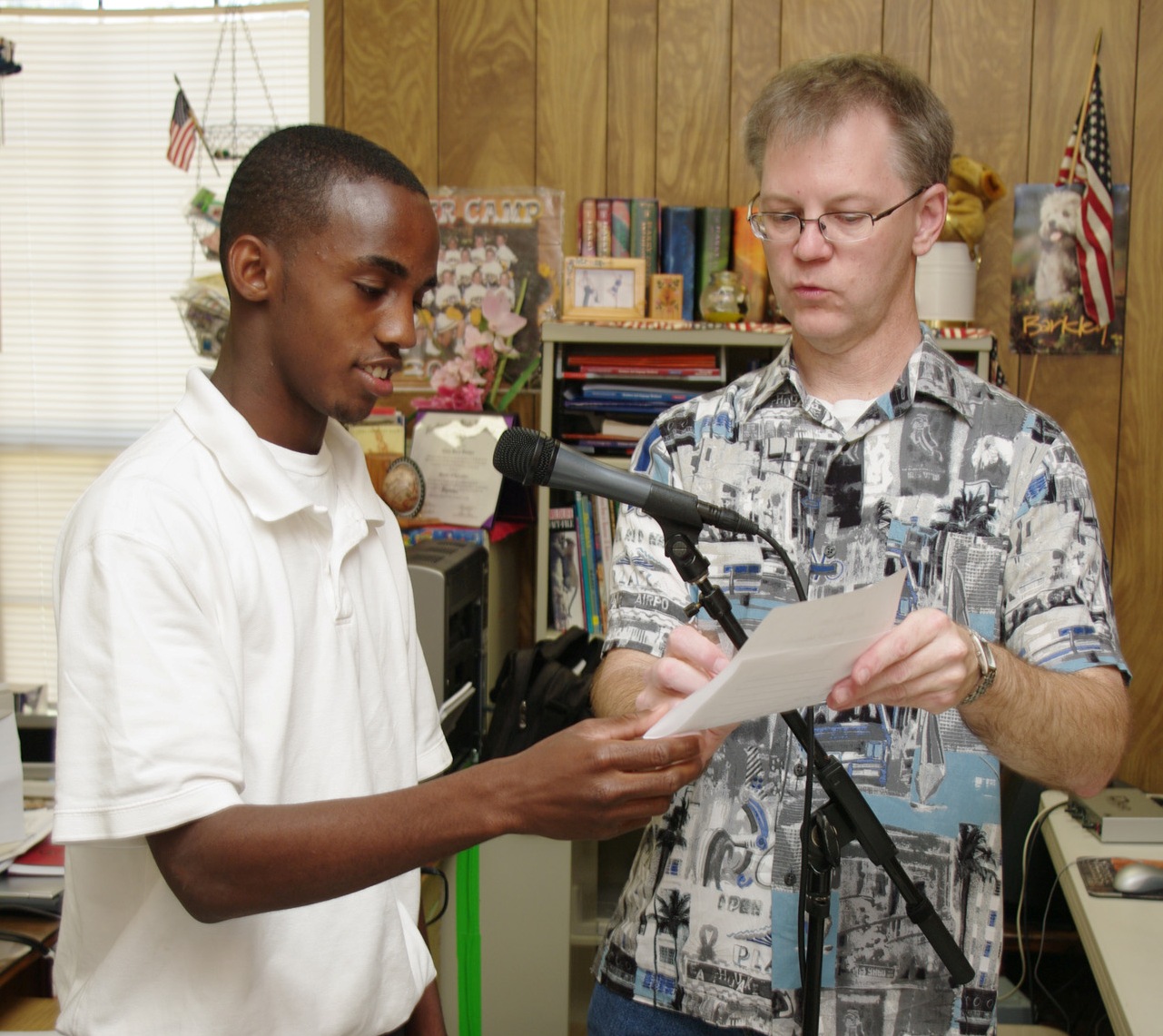
Creating Positive Messages of Respect, Responsibility, and Character-Anti-Bullying Classroom Writing/Recording Workshop
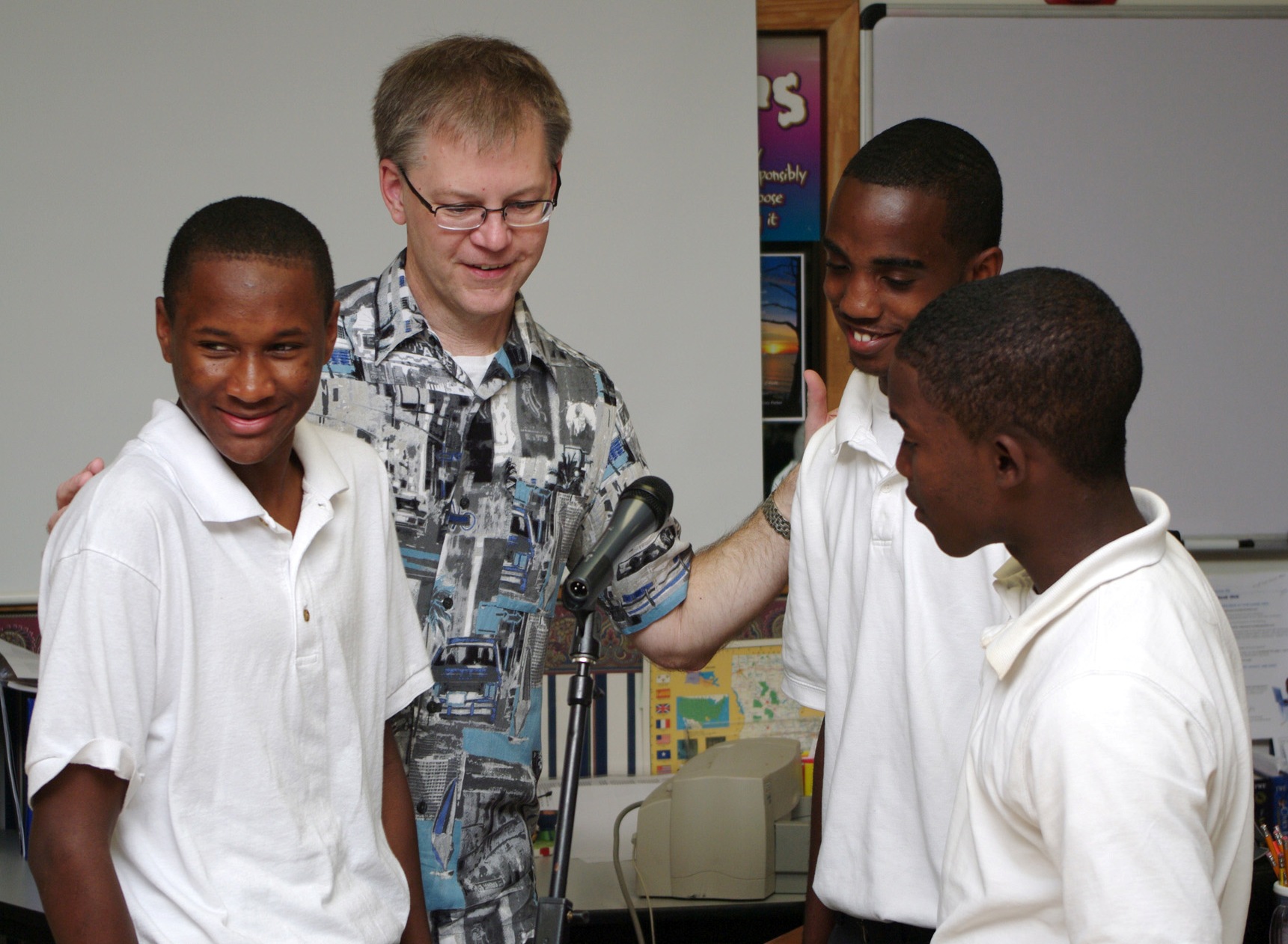
(Classroom workshops)Students are provided with an empowering opportunity to use their “voices” to create a message of positive change. Encouraged to break the code of silence, students will use their own words to stand up, speak out, and take personal responsibility to help eliminate bullying. Exploring and utilizing the values of moral excellence, courage, nobility, and strength, students will learn that it is possible to champion change through words of kindness and selflessness. Students will participate as teams within a class setting and will be assigned tasks, including: writing a short anti-bullying message, recording music with technology, and/or recording their own voices. The “do-able”, easy step-by-step process results in a positive anti-bullying message. All participants use Zig’s equipment, digital workstation, and curriculum. As an extension of their regular classroom, students will realize the connection between textbook language arts, technology, and music, and how these can be applied to their daily lives by what they socially see and hear on a daily basis.
West Africa meets Hip-Hop
(In-School Assembly, Theatre Performance, Classroom workshops)A cross-cultural side-by-side interactive program of the traditional West African roots of rhythm and culture, influencing the history and development of HipHop, contemporary music and culture. The interactive performance compares African rhythms and authentic instruments, to contemporary HipHop and HipHop music using a battery of percussion and drums. A musical timeline is traced from the African Griots , to slave trade, through present day spoken word “Rap” artists. Rhythms, instruments, rhythmic annunciation, call and response, vocabulary and cross-curricular content are reinforced through active participation culminating in an African/HipHop student ensemble. Grade appropriate content.
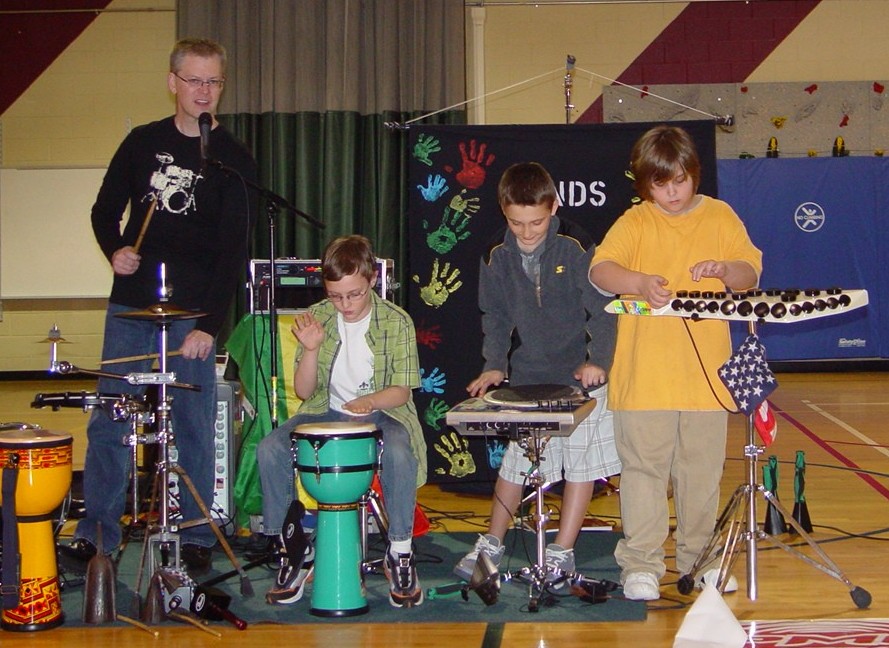
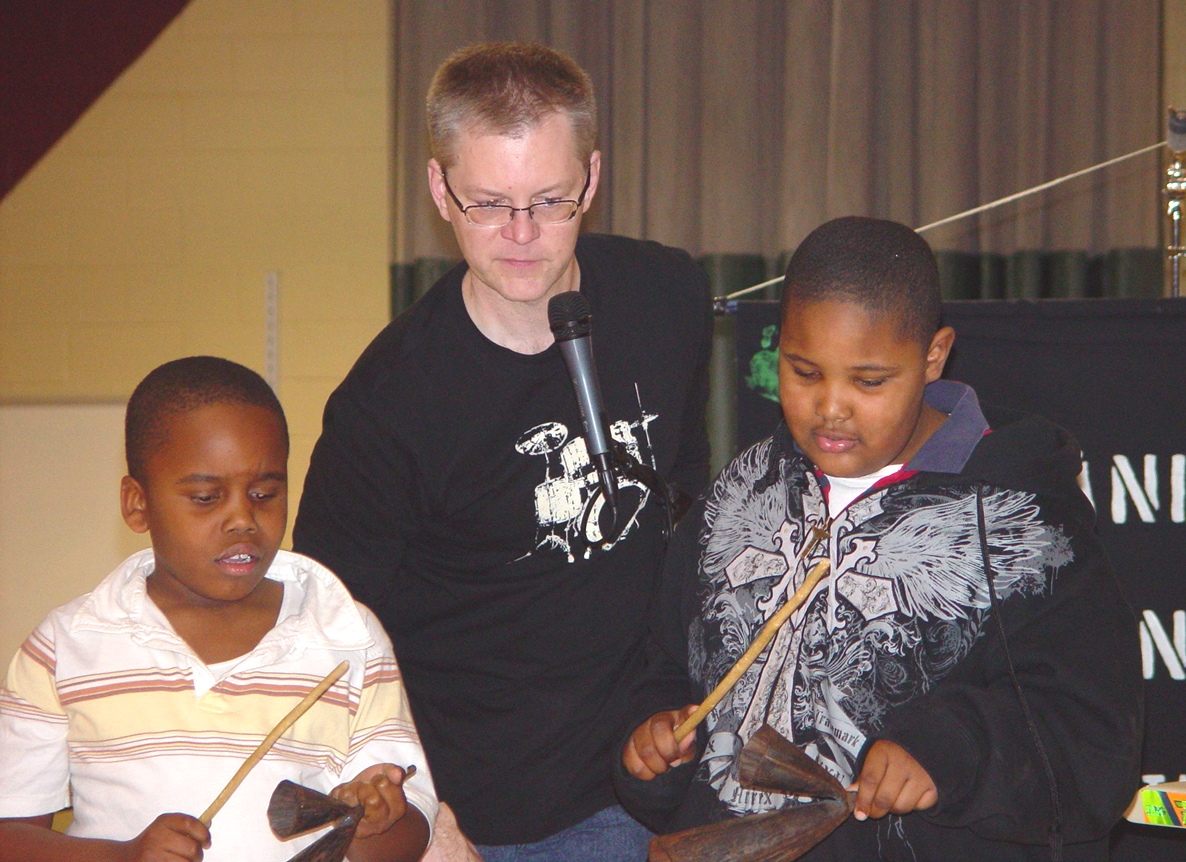
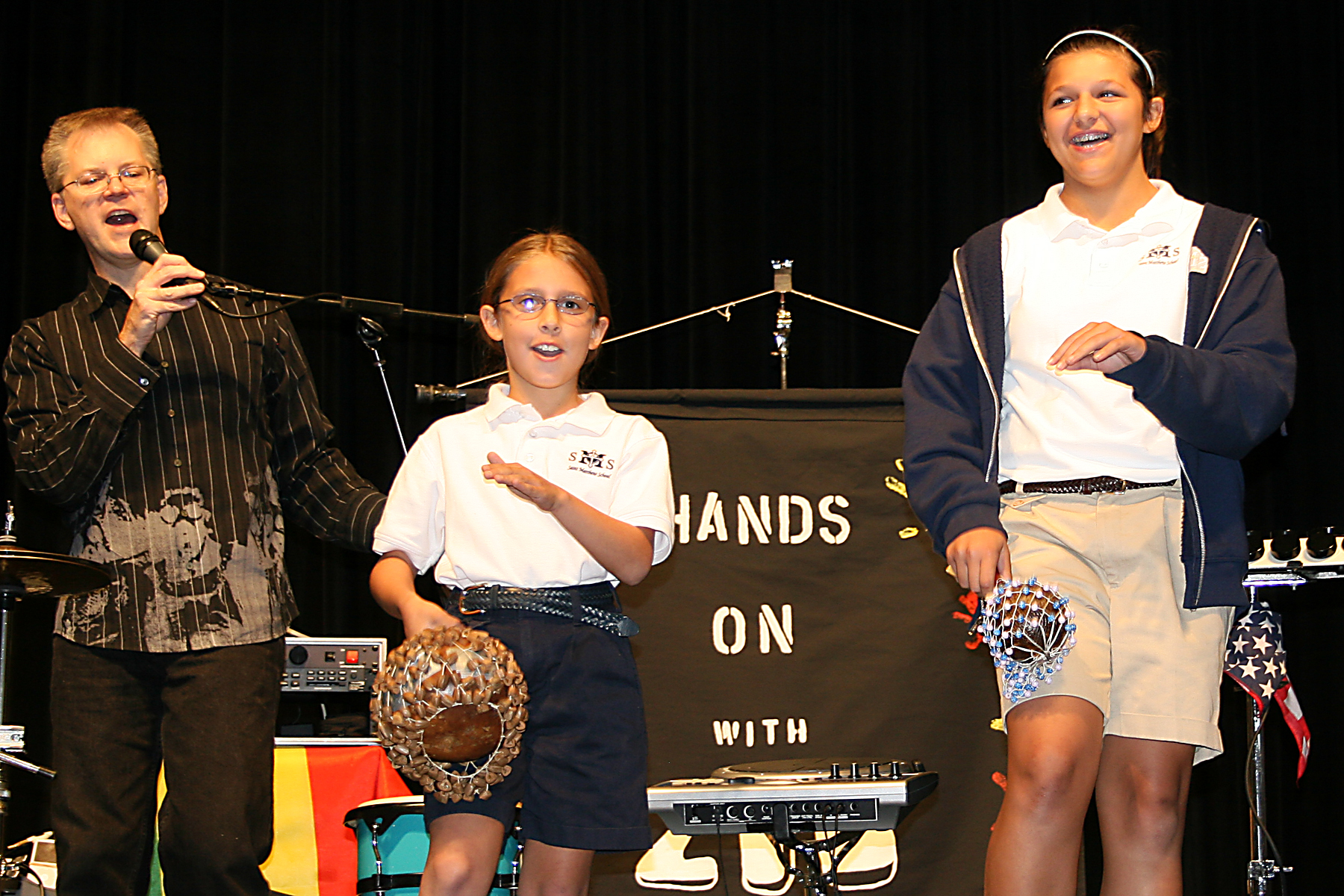
Hands On Latin Style
(In-School Assembly, Theatre Performance, Classroom workshops)Interactive performance introducing Afro-Cuban rhythms, Latin song styles (Mambo, Rumba, Merengue, Cha-Cha-Cha, among others) authentic percussion (Shekeree, Guiro, Timbales, Congas, Bells, Bongos, Palitos, Cajon, among others) and traditional folklore of Latin America and the Caribbean. A historical overview of the development of Latin American music with the cultural contributions of West African rhythms, the folklore of Native Indians, and European traditions. Audience members interact by using authentic Latin percussion instruments to build an ensemble and to learn the basic rhythms of Latin song styles. Grade appropriate content.
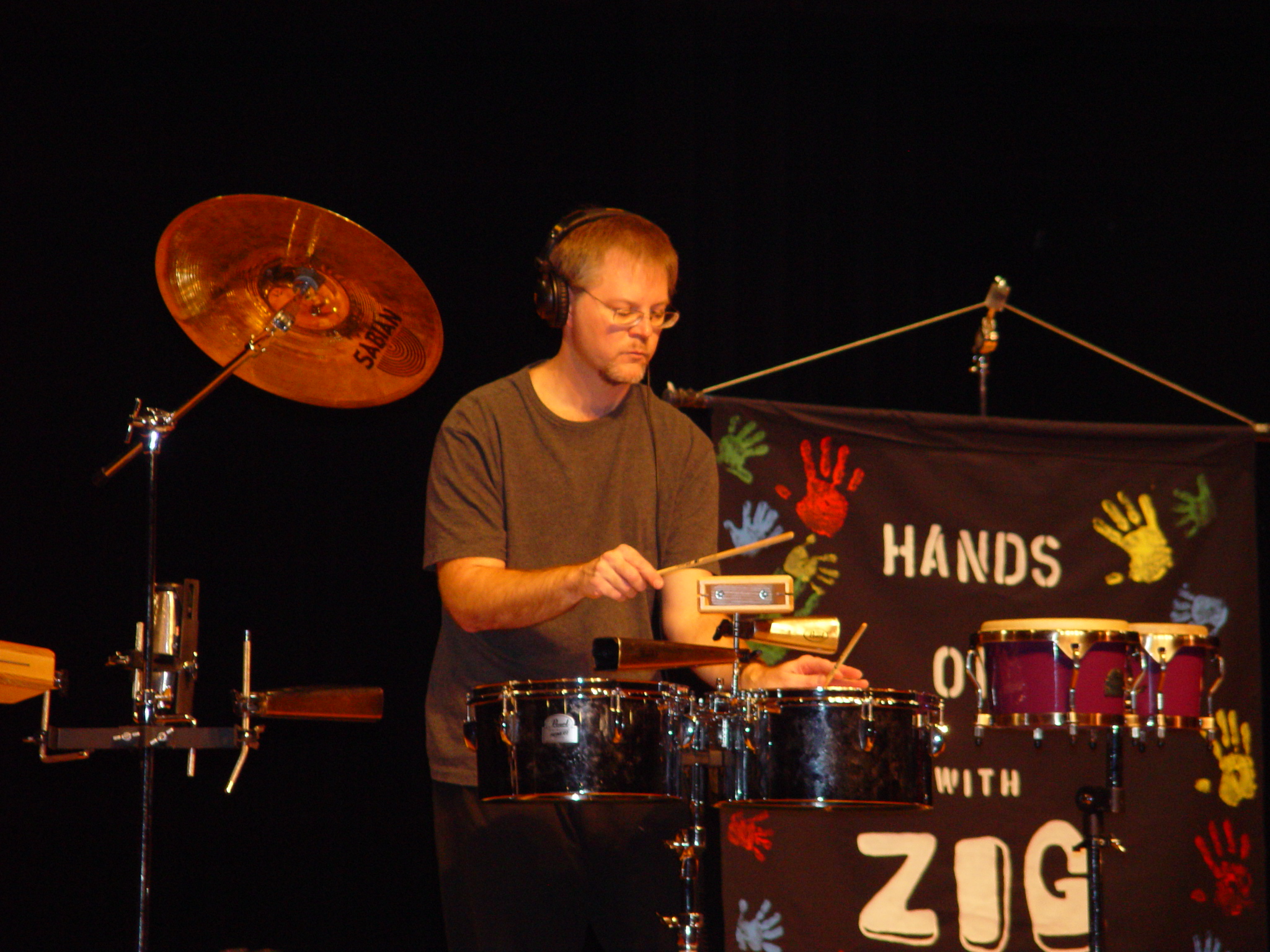
STEM: Using Math to Compose a Cell Phone Ring Tone with Music Technology
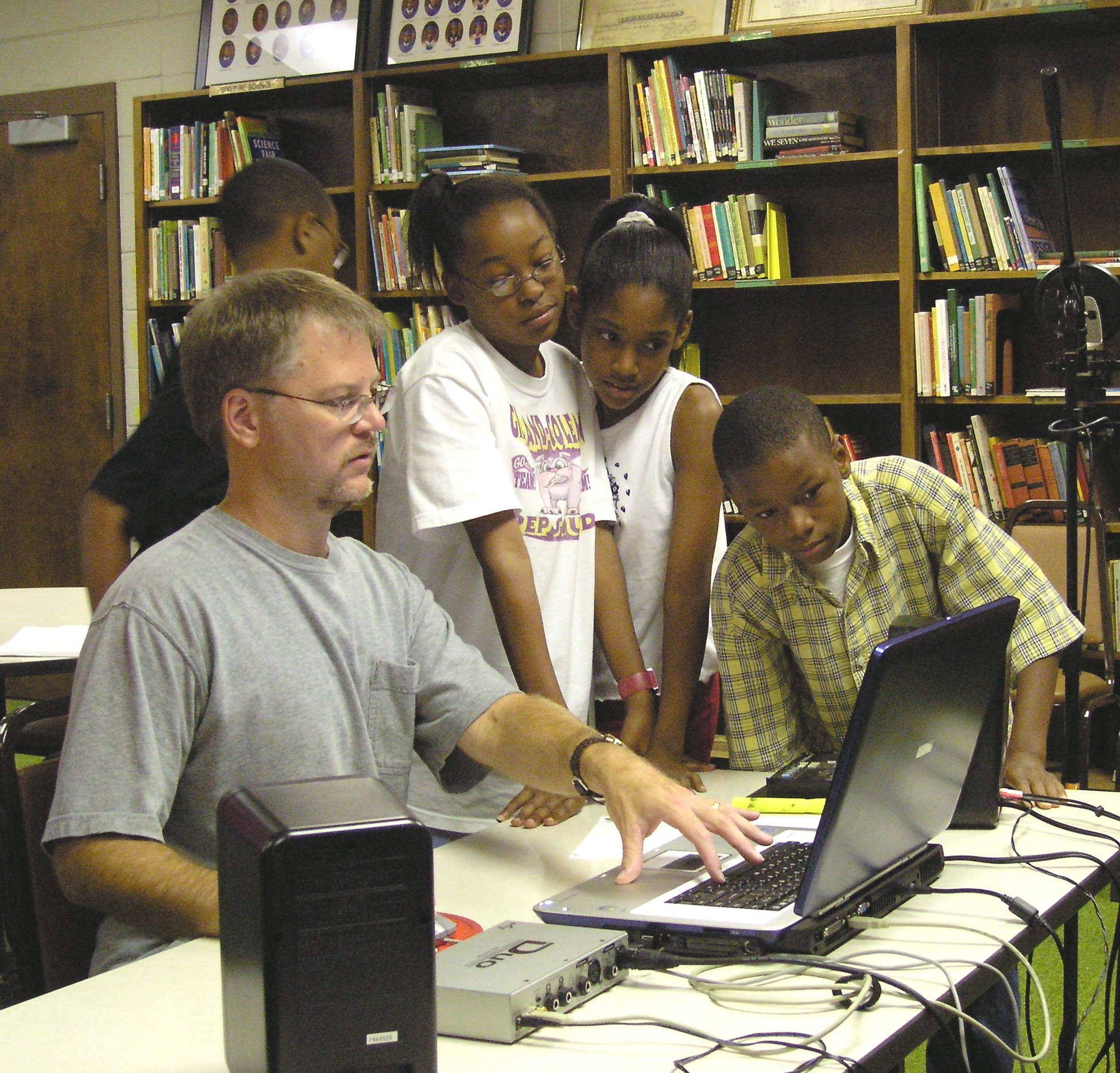
(Classroom workshops)As an extension of the classroom, students will make a connection of how textbook math can be applied to their daily lives by what they musically hear, and know, as ring tones. The innovative contemporary program introduces participants to math concepts as related to music technology. Using a step-by-step process participants create, produce and deliver an original cell phone ring tone in a digital media format. The math component applies the concepts of numbers, adding, subtracting, multiplying, dividing, fractions, shapes, divisions of time, order, sequences, ratios, odds vs. evens, graphs, points of intersection, patterns, symmetry, measurements, time, estimating, and analyzing. Participants see, hear and input original parts of music by using virtual instruments and digital equipment while communicating using math and technology terminology. The music segment reinforces traditional music terms and concepts for composition including orchestration, rhythm, harmony, melody, pitch, notation, styles, dynamics and tempo. All participants use Zig’s workstation and curriculum. Content based on grade appropriate math skills.
Connecting Literacy, Music & Technology
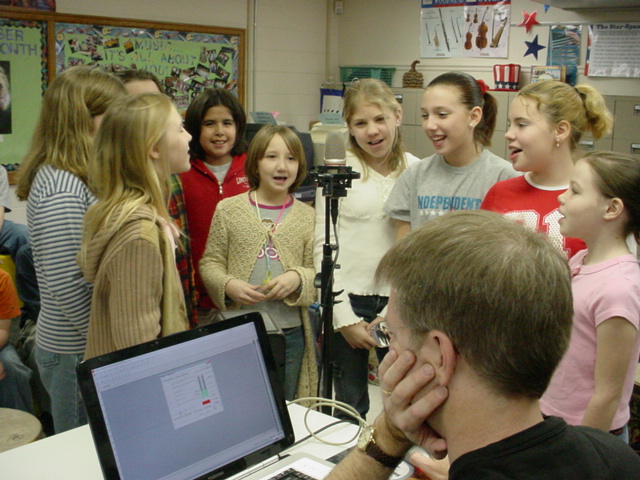
(Classroom workshops)The interactive contemporary workshop connects interdisciplinary subjects of language arts (creative writing), music (creating, arranging & composing), social studies, math and educational technology (computers, software) as an effective approach for goal oriented project based learning as applied to academic and real-world applications. The workshop engages participants through interactive lessons to express and promote their creativity while learning through technology. The activity driven workshop presents a step-by-step process using Zig’s “Think, Plan, Assemble, Produce” curriculum. Participants work as classes or small teams to create an original digital media project (song, jingle, ring-tone, PSA, play, etc.) by writing lyrics, scripts and/or poetry, composing and arranging music with technology, and recording their own voices. The goal and final product is delivered as a mastered digital media product (CD, .mp3, ring-tone, streaming content, Podcast) featuring all the projects from the workshop. A student-centered collaborative leaning environment presents doable activities which reinforce and further develop communication, computer aptitude, critical thinking, organization, self-esteem, active listening, teamwork, and digital citizenship. All participants use Zig’s digital workstation, curriculum and recording equipment. For pre-and post studies, lesson plans and further resources we recommend Zig's book with Loop Library, Mr. Zig's Literacy, Music and Technology Connection (Alfred Pub.) and Mixcraft for the Classroom 2nd edition.
To listen to projects created by students click here: Listening Examples
African or Latin Drumming 101 (Classroom workshops)
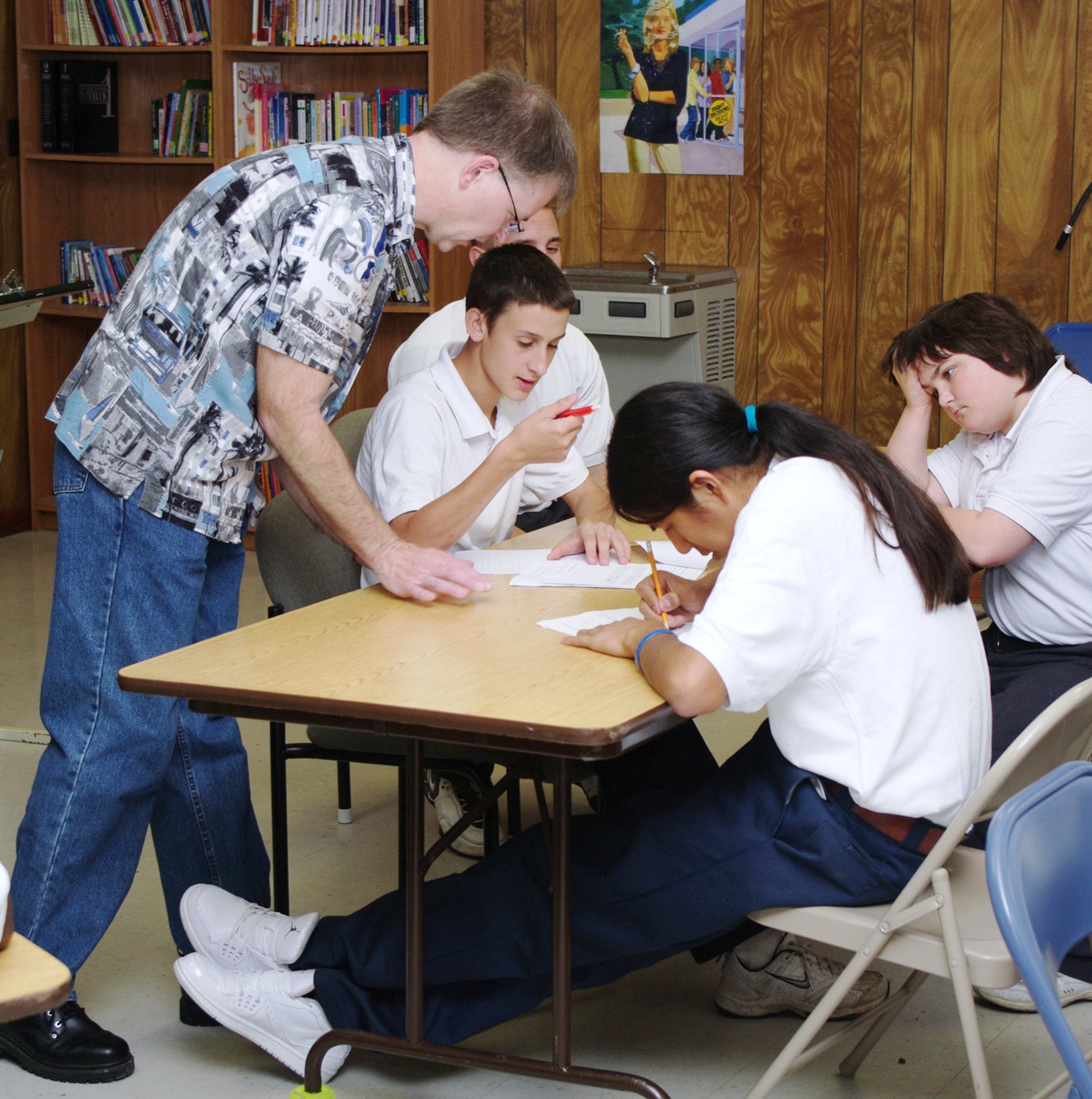
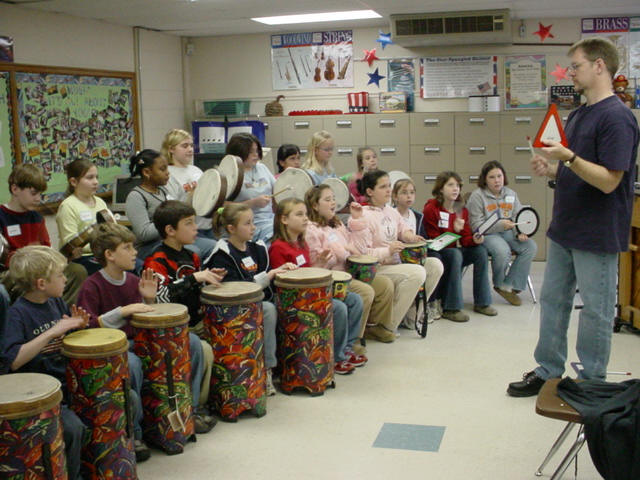
An engaging interactive drumming experience where participants become members of an ensemble by playing/chanting (high and low sounds) and rhythmic phrases (patterns) using math with music, Zig teaches basic and authentic rhythms through his ‘Say what you play’ teaching method which produces immediate results. The participants will learn proper technique, vocabulary, notation, by playing authentic instruments in addition to common classroom instruments. Drumming concepts include; basic structural rhythm patterns, say it play it chants, technique, call & response, duple/triple meters, and a brief history of African and Latin culture as related to contemporary music. The program engages students as active participants by combining the learning modalities that include; auditory (listening, repetition, oral instruction, rhythmic sounds), visual (key ideas, demonstrations, recognizing shapes/colors, notation), and kinesthetic (active participation, problem solving). Grade appropriate content.
For Additional Information and fees
(615) 260-6171
email: handsonwithzig@aol.com